WHY WE BUILT WATER SAVVY
Safe water is a human right. Understanding it should be within reach.
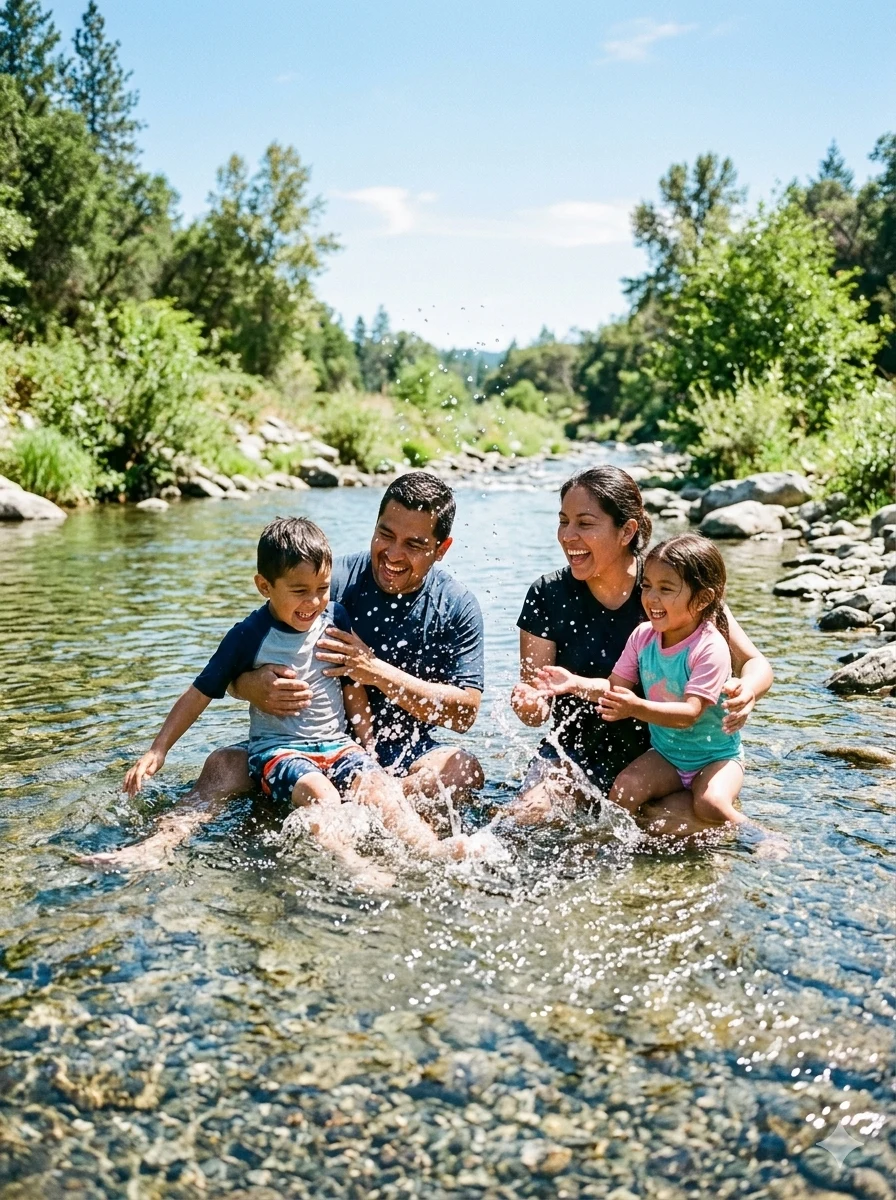
Water is part of caring for ourselves and one another. We use it to prepare meals, grow food, make a home, and spend time in the places we love.
We all deserve safe water. We also deserve information we can understand about the waters we depend on. That belief is why we built Water Savvy.

THE RIGHT TO UNDERSTAND
You should not need a science degree to know your waters.
A parent filling a glass. A farmer watching the rain. Someone planning a day at the lake. Each has a reason to care about water and questions worth answering.
Useful information can be hard to find. It may sit in reports, measurements, or records that take time and skill to read. Even when you find it, you may still wonder what it means for you.
We built Water Savvy to help close that gap. We want more people to understand what is known about their waters and feel able to ask about what is still unclear.
WHY TRUE ELEMENTS BUILT WATER SAVVY
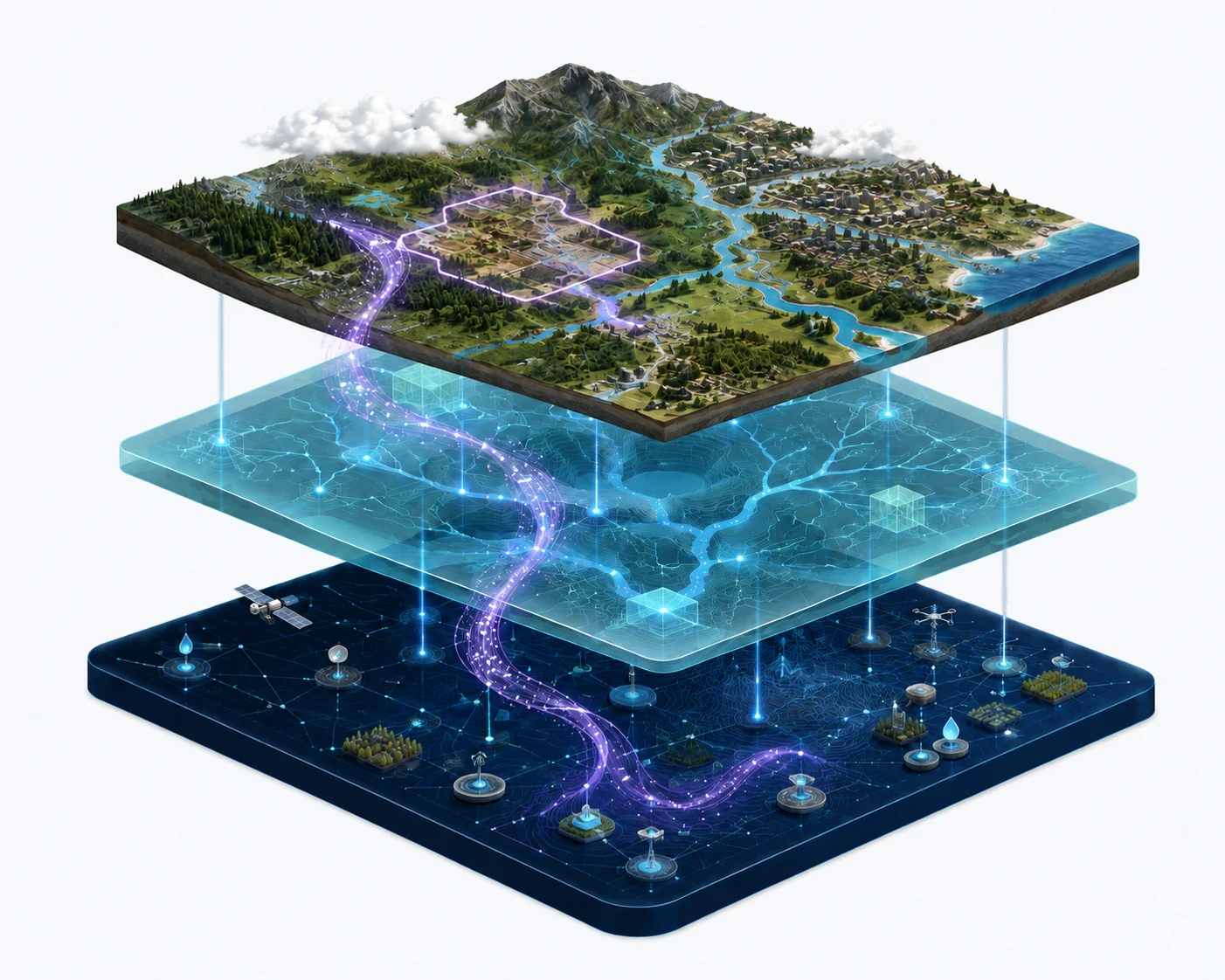
For illustration only. Examples shown do not represent live readings or alerts. Water conditions change, and the information you see will depend on your location, available sources, and when those sources were updated. Check dates and local guidance before making decisions about water use or safety.
Bring water expertise into everyday life.
At True Elements, our work brings together water data, science, and technology to help explain what is happening and why it matters.
Water Savvy brings that work to people with everyday questions about their waters. It draws on the knowledge behind True Elements and the work of scientists, public agencies, water providers, and other water experts.
The app gives you a way to begin. Through Water Savvy, you can explore answers, look at the evidence, and keep learning about places that matter to you.
KNOWING CAN BECOME A HABIT
What if knowing your waters felt as familiar as checking the weather?
You might start with the water at home or a place you plan to visit. One question leads you to a useful answer. The next time you look, you know a little more about what to check.
Over time, the words, scores, and sources become more familiar. You may notice a change, ask a better question, or understand a local issue in a new way.
That is the habit we want to help build. A reason to pay attention to water in everyday life, before a problem is the only reason to look.
THE WATERS WE SHARE
What you notice can help someone else understand.
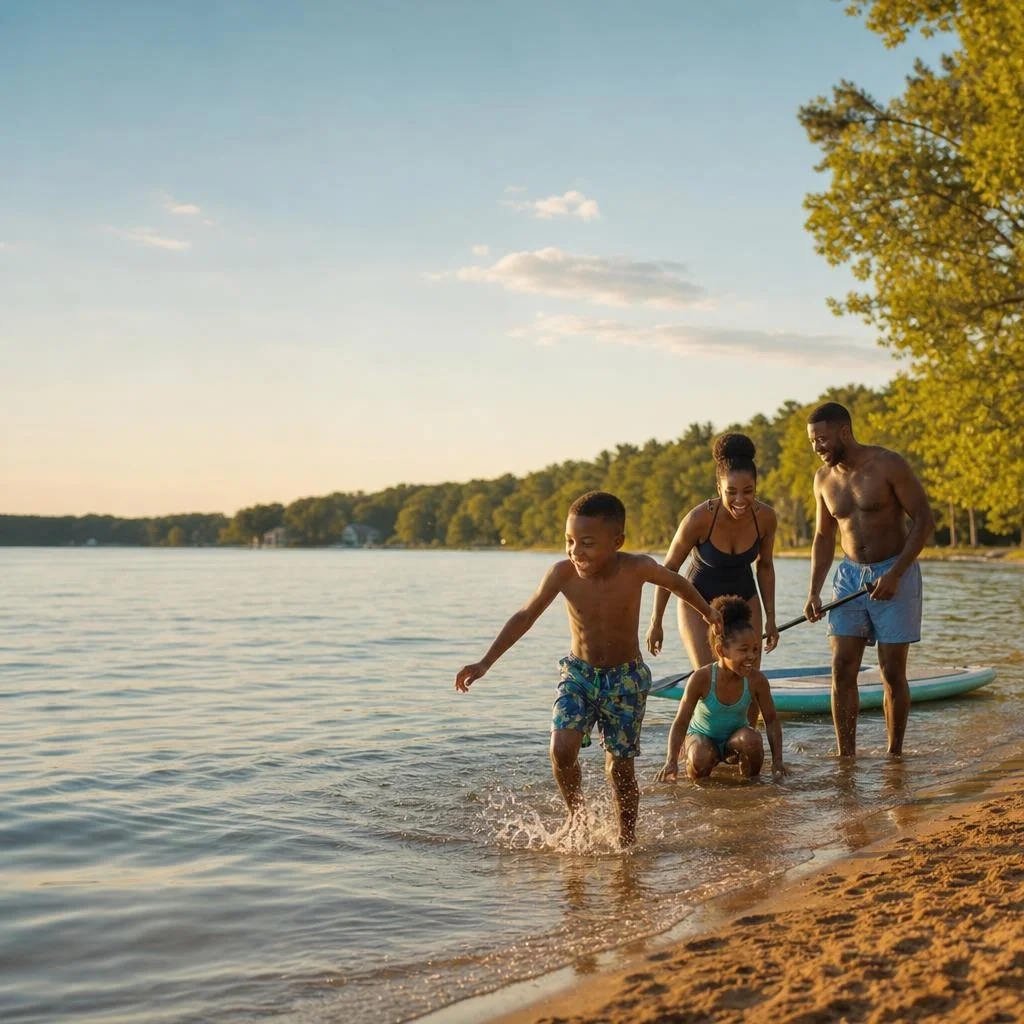
Water connects homes, farms, businesses, and the places where we spend time. People who know a place often notice things others may miss.
Water Spotters invites people to take an interest in those places and share what they see. A photograph or observation can add something useful to the information already available.
We want that interest to grow into conversations, shared learning, and care for the waters around us.
Water Chronometer: In development
See how a place changes over time.
Look at the same reservoir years apart. Notice where the water reaches the shore. What has changed? What would you like to understand?
Elephant Butte Reservoir, New Mexico
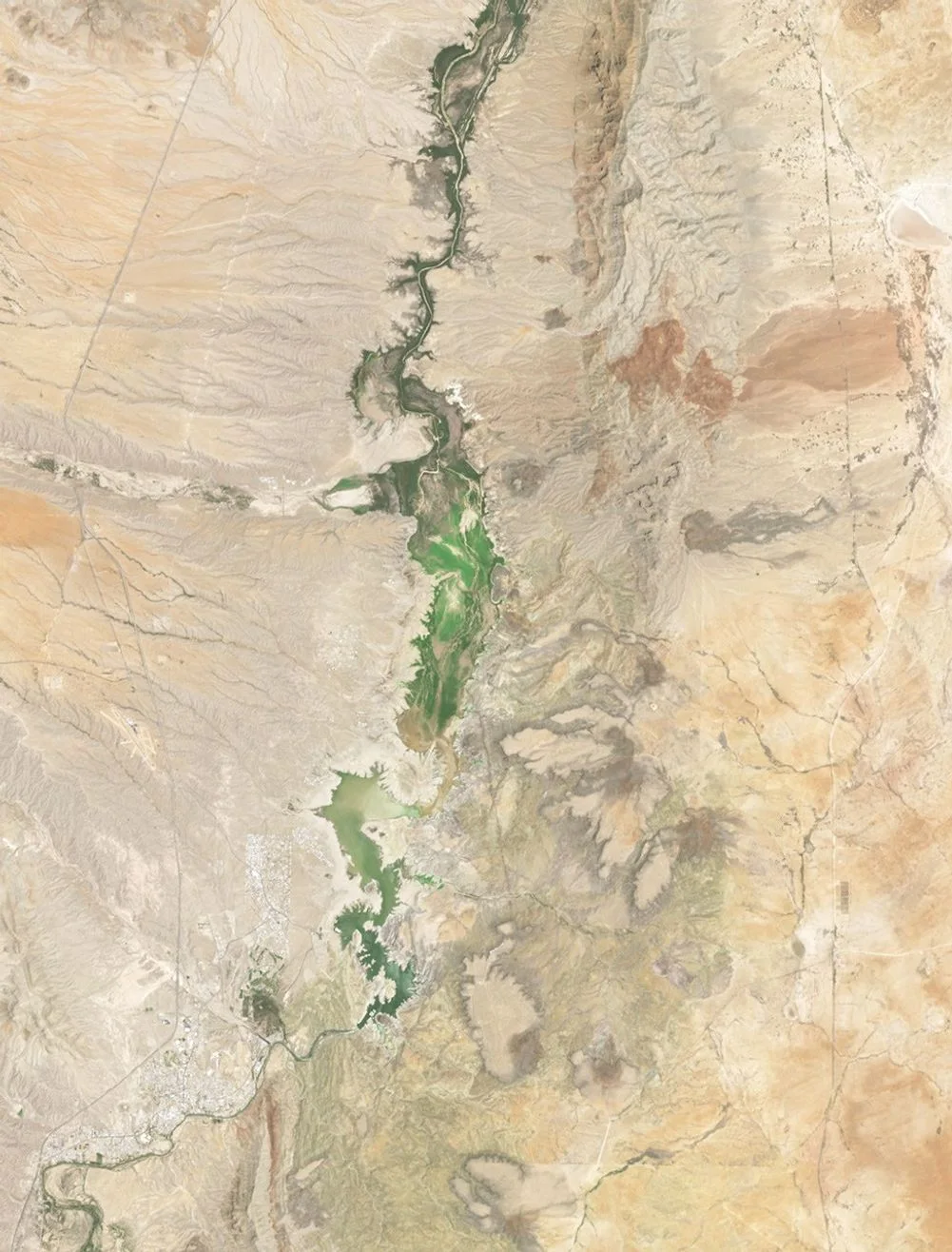
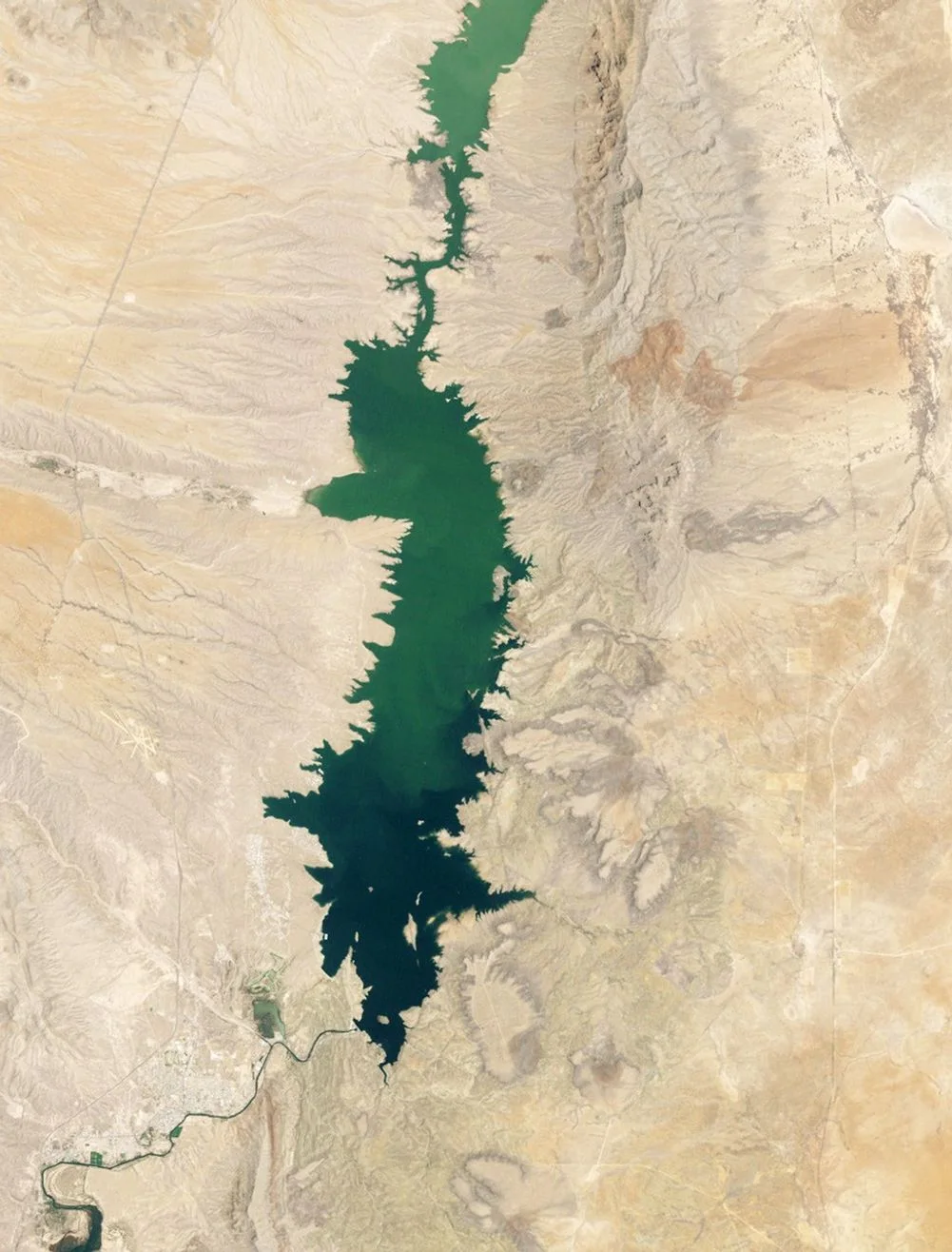
These satellite images show how much the reservoir’s water coverage changed between two dates.
Images: NASA Earth Observatory / Michala Garrison. Landsat data: USGS.
See the original images and story at NASAView both images
NASA imagery shown as an example.
For illustration only. Examples shown do not represent live readings or alerts. Water conditions change, and the information you see will depend on your location, available sources, and when those sources were updated. Check dates and local guidance before making decisions about water use or safety.
THE RELATIONSHIP WE WANT TO EARN
Trust grows through being useful.
We want you to return because Water Savvy helped you understand something that mattered. You could see where the answer came from and where more information was needed.
You bring the places and questions you care about. We bring water expertise and a commitment to making it easier to understand. The relationship grows through what you learn.
Begin with your waters.
Get Water Savvy and start with a place you care about.